What is Fatty Liver?
Fatty liver is a condition where extra fat builds up in the liver. This can happen to both adults and children. In the US, fatty liver is becoming more common. There are two main types: non-alcoholic fatty liver disease (NAFLD) and alcoholic fatty liver disease. NAFLD is not linked to drinking alcohol. Instead, it often relates to diet and lifestyle. Over time, fatty liver can lead to liver damage if not managed well.
Symptoms of Fatty Liver
Many people with fatty liver have no symptoms at first. However, as the condition gets worse, some signs may appear. Early detection is important. Watch for these fatty liver disease symptoms:
Even if you feel fine, regular check-ups can help catch fatty liver early.
Causes and Risk Factors
Fatty liver can develop for many reasons. Some people are more at risk than others. Knowing the causes can help you prevent fatty liver. Common causes and risk factors include:
For many, a mix of these factors leads to fatty liver. But, you can lower your risk by making healthy choices.
Diagnosis of Fatty Liver
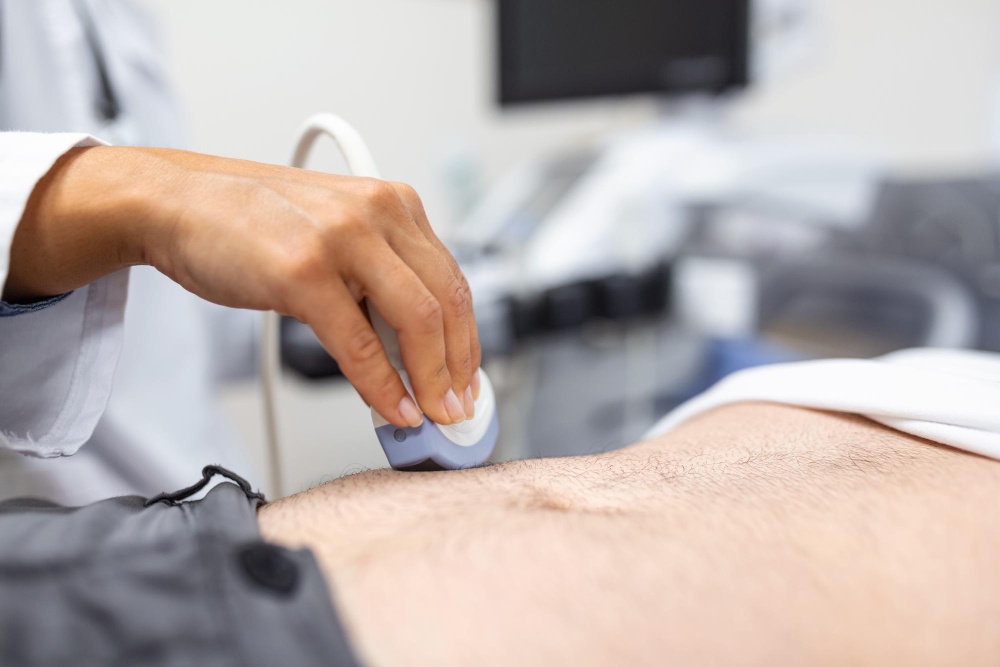
Doctors use several ways to diagnose fatty liver. Often, people find out during routine blood tests. If your doctor suspects fatty liver, they may recommend:
Early diagnosis helps prevent further liver damage. Therefore, regular check-ups are important, especially if you have risk factors.
Treatment Options
There is no single medicine for fatty liver. However, treatment for fatty liver in adults often focuses on lifestyle changes. Your doctor may suggest:
In some cases, doctors may recommend medicines for related conditions. But, lifestyle changes are the main treatment for most people.
Lifestyle Changes and Prevention
Preventing fatty liver is possible with healthy habits. Even small changes can make a big difference. Here are some tips on how to prevent fatty liver:
Because prevention is easier than treatment, start making healthy choices today.
When to See a Doctor
If you have risk factors or notice symptoms of fatty liver, see your doctor. Early care can prevent serious problems. You should seek medical advice if you:
Remember, regular check-ups are key, even if you feel well.
For personalized advice on fatty liver, consult a healthcare professional. Early action can help protect your liver and your health.